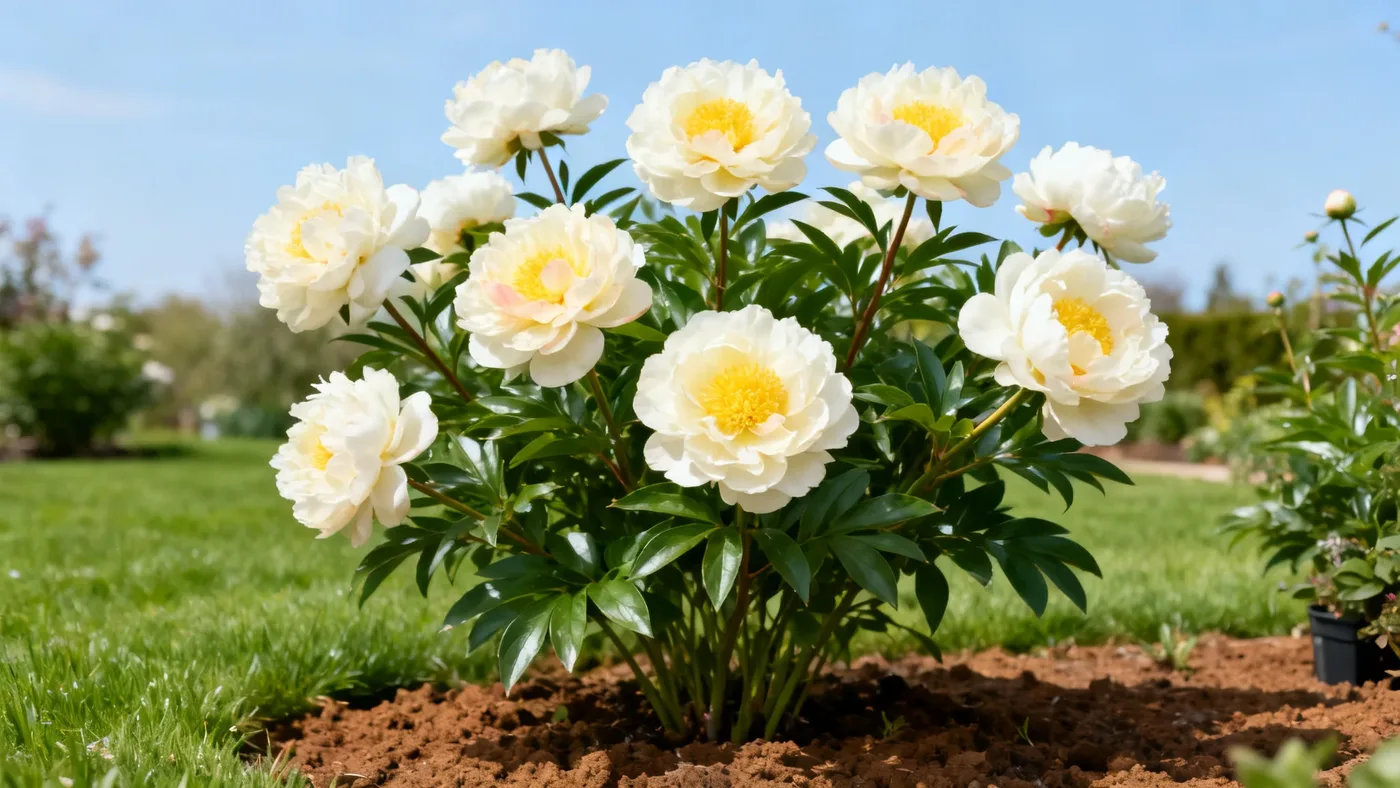
Duchesse de Nemours Peony Bloom Time and Flower Color Guide
If you're planning your spring garden right now, you're thinking about peonies. Duchesse de Nemours is one of the most reliable bloomers for home gardeners, offering a consistent show of creamy white flowers each year. Whether you're wondering when to expect blooms or how to recognize this cultivar by its distinctive color, here's what you need to know to get the timing right and prepare your garden for a strong display.
When Duchesse de Nemours Peonies Bloom
Duchesse de Nemours typically blooms in early to mid-season, with flowers appearing in May across most growing regions. The exact timing depends on your USDA hardiness zone and local spring temperatures. In colder zones (3 and 4), expect blooms closer to late May or even early June as soil warms more slowly. In warmer zones (7 and 8), the same plant may flower by mid-May or even late April in early springs.
A few things trigger the bloom window. Soil temperature matters more than air temperature for peonies. Your plant needs consistent soil warmth to push up flower buds after winter dormancy. If spring is unseasonably cool, blooms simply delay. If it's warm and steady, you'll see flowers earlier than average.
Dormancy also plays a role. Peonies require a period of winter cold (vernalization) to bloom reliably. If you live in zone 9 or warmer, Duchesse de Nemours is not reliably hardy in your area and may not develop proper flower buds without sufficient winter chill. The plant is hardy to zone 3 through zone 8, so gardeners in these regions can count on blooms each spring.
The Flower Color of Duchesse de Nemours
Duchesse de Nemours is known for its creamy white blooms with a pale yellow flushed center. This color combination is its signature. The double form shows many petals, creating a full, rounded flower that's often compared to a ball of cream with a soft yellow heart. Early in the bloom, the color may read as pure white. As the flower opens and matures, that pale yellow center becomes more visible, especially in the innermost petals.
The color is consistent and reliable year after year. You won't see dramatic variation from season to season unless growing conditions shift dramatically (poor soil, significant drought, or deep shade can mute color). In full sun with good soil, the creamy white is bright and luminous, while the yellow center picks up light beautifully.
If you're comparing Duchesse de Nemours to other white peonies, this cultivar is distinct from Festiva Maxima (which has crimson flecks in the center) and from other late-season whites like Marie Lemoine. The pale yellow flush is the identifying feature that tells you you've got Duchesse de Nemours, not a similar cultivar.
Light conditions affect how you perceive the color. In morning light, the flower appears crisper and whiter. In afternoon shade or overcast conditions, the yellow center shows more warmth. Neither is a flaw; it's simply how white flowers read in different light.
How Long Duchesse de Nemours Blooms Last
Individual Duchesse de Nemours flowers typically last 5 to 7 days at their best, depending on weather. In cool spring conditions (50s and 60s Fahrenheit), blooms hold longer and remain crisp. In hot weather or direct afternoon sun in southern climates, they open faster and fade sooner. You'll enjoy peak color for about a week per flower.
The overall bloom window for the plant spans 2 to 3 weeks from first bud to last faded flower. Not all buds open at once. You'll see tight buds, opening flowers, and peak blooms happening simultaneously, which extends the display. Once peak bloom passes, you can deadhead spent flowers to tidy the plant and redirect energy back to the roots for next year's show.
Deadheading is optional but recommended. Remove flowers as they fade, cutting just below the bloom to avoid damaging the emerging foliage. This practice keeps the plant looking neat and encourages energy storage for future blooms rather than seed production.
Bloom Timing Varies by Zone
Hardiness zone makes a measurable difference in when you'll see flowers. Use this as a rough guide for your garden:
- Zone 3: Late May to early June
- Zone 4: Mid to late May
- Zone 5: Early to mid-May
- Zone 6: Late April to early May
- Zone 7: Late April to early May (but can shift with spring temperature swings)
- Zone 8: April or early May, depending on winter chill
These dates represent typical years. A late spring with cool soil temperatures can push blooms 1 to 2 weeks later. An early, warm spring can bring blooms forward by similar margins. Regional variation matters too. A gardener at a high elevation in zone 6 may experience blooms closer to zone 5 timing because of cooler spring soil. A coastal zone 7 gardener with ocean moderation may see earlier, more consistent blooms.
Track your own garden's bloom dates for two or three seasons. You'll develop an intuition for your exact timeline and can plan companion plantings or complementary displays accordingly.
Maximizing Your Bloom Display
Planting depth is critical to reliable blooms. The eyes (growth points) of a bare-root peony division should be buried no more than 1 to 2 inches below the soil surface. Planting too deep is the most common reason peonies fail to bloom. Even a single extra inch of soil can delay flowering by years or prevent it entirely.
Sunlight drives flower production. Duchesse de Nemours needs at least 6 hours of direct sun daily to bloom reliably. In hot southern climates (zone 8), the plant tolerates light afternoon shade, which can even help preserve color. In cooler zones, full sun is ideal. Shade reduces bloom count significantly.
Soil preparation makes a difference in bloom quality and quantity. Peonies thrive in fertile, humus-rich, well-drained loam with a neutral to slightly acidic pH (ideally 6.5 to 7.0). If your soil is heavy clay or sandy, amend it with compost before planting. Established plants benefit from a light application of phosphorus-rich fertilizer (bone meal or bulb fertilizer) in early spring as shoots emerge. Avoid heavy nitrogen, which promotes foliage at the expense of flowers.
Support growing stems as they emerge. Duchesse de Nemours reaches 26 to 36 inches tall and produces multiple stems with heavy double blooms. Without support, stems flop under the weight of wet flowers or after rain. A peony ring or sturdy tomato cage installed early in the season prevents this damage.
First-year and second-year plants produce lighter blooms or fewer flowers than established plants. Give the plant 3 to 4 years to reach its full mature flowering size. Once established, the plant persists indefinitely with minimal size change year to year, often blooming reliably for decades.
Consistent moisture during the growing season supports better blooms. While Duchesse de Nemours tolerates drought once established, plants bloom best without prolonged dry spells. Water deeply during spring growth and through early summer if rainfall is sparse.
Understanding Fragrance and Foliage
Beyond color, Duchesse de Nemours is prized for its strong, sweet classic peony fragrance. The scent is one reason this cultivar has remained popular since its breeding in France in 1856. Cut flowers indoors fill a room with this fragrance. In the garden, it's most noticeable in morning calm or as you brush past the plant.
The foliage is dark green and deeply lobed, providing an attractive backdrop to blooms and remaining ornamental through summer. In fall, leaves often take on bronze-red tones before dying back completely as frost kills them. Cut foliage to the ground in late fall after frost has done its work, rather than leaving dead growth standing all winter.
Quick Reference: Bloom Timing and Color Checklist
| Item | Details |
|---|---|
| Typical Bloom Time | Early to mid-season, typically May (varies by zone 3-8) |
| Flower Color | Creamy white with pale yellow flushed center |
| Individual Bloom Duration | 5-7 days at peak |
| Overall Bloom Window | 2-3 weeks from first bud to last faded flower |
| Sun Requirements | 6+ hours direct sun daily |
| Plant Height at Bloom | 26-36 inches |
| Planting Depth (Eyes) | 1-2 inches below soil surface |
| Years to Full Bloom | 3-4 years after fall planting |
| Support Needed | Yes, stems flop under heavy double blooms when wet |
| Deadhead After Bloom | Optional; removes spent flowers and redirects energy to roots |
For comprehensive guidance on growing and caring for Duchesse de Nemours year-round, see our Duchesse de Nemours Peony Care Guide. It covers planting depth, soil preparation, seasonal pruning, and troubleshooting common issues that affect bloom production.