Duchesse de Nemours Peony Care Guide: Growing Tips That Work
Duchesse de Nemours Peony is a heritage cultivar bred in France in 1856 that has earned its place in gardens for nearly 170 years. Its creamy white petals with a pale yellow flushed center and strong, sweet fragrance make it one of the most beloved peonies for cutting gardens and perennial borders. This guide covers everything you need to grow this plant successfully, from first-year planting through its 50+ year lifespan.
Table of Contents
- What You're Growing: Meet Duchesse de Nemours
- Hardiness Zones and Climate Fit
- Site Selection and Soil Preparation
- Planting Steps and Timing
- Year-Round Care Calendar
- Watering and Fertilizing
- Managing Common Issues
- Seasonal Pruning and Maintenance
Key Takeaways
- Duchesse de Nemours thrives in USDA zones 3-8 with full sun (6+ hours daily)
- Plant in fall (preferred) or spring in fertile, well-drained loam with neutral pH
- Eyes (buds) should sit 1-2 inches below soil surface, not deeper
- Reaches full mature size in 3-4 years; blooms typically appear May (varies by region)
- Fertilize lightly in early spring with phosphorus-rich formula; deadhead spent blooms
- Expect strong fragrance, high deer resistance, and 50+ years of blooms with minimal care
What You're Growing: Meet Duchesse de Nemours
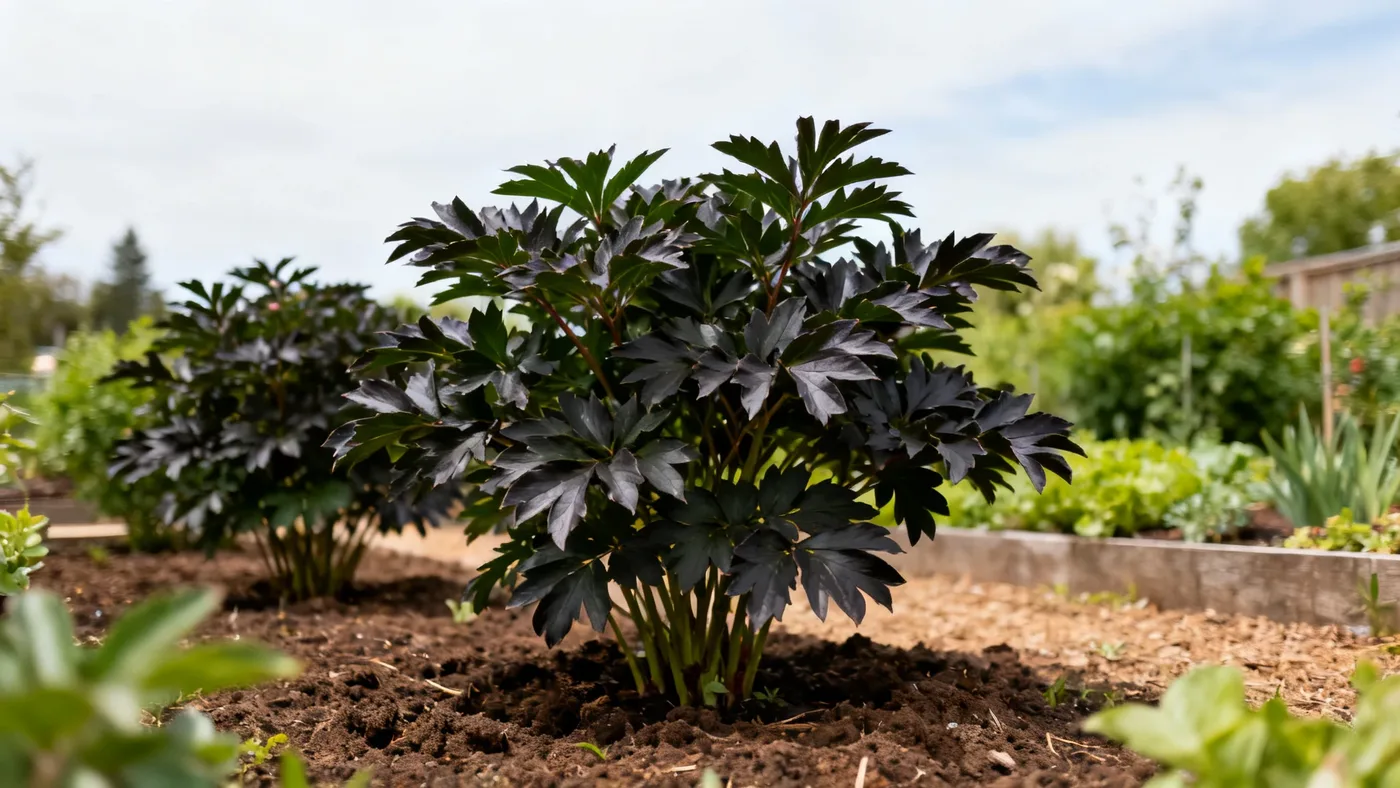
Paeonia lactiflora 'Duchesse de Nemours' is a herbaceous perennial that dies back to the crown each winter and returns year after year with no woody stems to prune away. Its dark green, deeply lobed compound leaves emerge in spring and provide attractive foliage through summer. In fall, the leaves may take on bronze-red tones before dying back for winter.
The flowers are the main attraction. You'll see large double blooms with creamy white petals and a pale yellow flushed center that opens early to mid-season, typically in May depending on your region. The fragrance is strong and classic, a signature scent many gardeners associate with peonies. Mature plants reach 26-36 inches tall and 24-36 inches wide, making them substantial but not oversized plants for most borders.
Hardiness Zones and Climate Fit
Duchesse de Nemours grows reliably in USDA hardiness zones 3-8. If you live outside this range, check with your local Cooperative Extension office for site-specific advice. The plant is cold-hardy enough to survive harsh winters in zone 3, and tolerant enough to thrive where summers are warm in zone 8. In hot southern climates (zone 8), afternoon shade helps preserve the blooms and extends their display.
Site Selection and Soil Preparation
Peonies are long-lived plants that will occupy the same spot for 50 years or more. Choosing the right site at planting time saves you years of disappointing blooms or struggling growth.
Sunlight Requirements
Full sun is essential. Your Duchesse de Nemours needs at least 6 hours of direct sunlight daily. Plants in shade will produce weak stems, fewer blooms, and are more prone to disease. The exception is in hot southern regions, where light afternoon shade (2-3 hours) helps protect the blooms from bleaching and wilting.
Soil Composition
Peonies prefer fertile, humus-rich, well-drained loam. Before planting, work 2-3 inches of finished compost or well-rotted manure into the top 12-15 inches of soil. Good drainage is critical. If your soil stays wet after rain, amend it with additional compost or coarse sand to improve drainage. Peonies will not tolerate standing water around their roots.
Soil pH
The ideal pH range is 6.5-7.0 (neutral to slightly alkaline). Most home soils fall within this range. If you're uncertain, a soil test from your local extension service costs $10-20 and takes the guesswork out. Adjust pH according to test results before planting.
Spacing
Plant Duchesse de Nemours at least 3 feet apart from other plants or structures. They need good air circulation, and crowding invites disease and competition for moisture and nutrients.
Planting Steps and Timing
When to Plant
Fall is the preferred planting season for bare-root divisions (August through November, depending on your zone). Container-grown plants can be planted in spring or fall. Fall planting gives roots time to establish before the growing season, leading to better first-year performance.
Bare-Root Division Planting
- Dig a hole 12-15 inches deep and wide enough to accommodate the roots without crowding.
- Create a mound of amended soil in the center of the hole.
- Set the division on the mound so the eyes (the small buds you see on the tuberous roots) are 1-2 inches below the soil surface. This is critical. Plant too deep, and blooms may not appear for several years or fail to appear at all.
- Backfill with amended soil, firming gently as you go.
- Water thoroughly to settle the soil and eliminate air pockets.
- Apply 1-2 inches of mulch (shredded bark, compost, or aged wood chips) around the base, keeping it 2-3 inches away from the crown.
Container-Grown Planting
For container plants, dig a hole the same depth as the root ball. The top of the root ball should be level with the soil surface, not buried deeper. Backfill, water thoroughly, and mulch as above.
Year-Round Care Calendar
| Season | Tasks |
|---|---|
| Early Spring | Remove winter mulch once new shoots emerge. Apply bone meal or bulb fertilizer lightly around each plant as growth begins. Do not use high-nitrogen fertilizers. |
| Late Spring / Early Summer | Enjoy blooms (typically May). Deadhead spent flowers to redirect energy to the roots. Cut stems for arrangements if desired. |
| Summer | Water during dry spells. Watch for pests and diseases. Stake tall varieties if stems flop under bloom weight. |
| Fall | After the first hard frost, cut foliage back to ground level. Remove all dead leaves from the bed to reduce disease pressure. Apply 1-2 inches of mulch for winter protection in zones 3-5. |
| Winter | No action needed. The plant is dormant and building energy for next spring. Peonies require cold winter hours to bloom properly. |
Watering and Fertilizing
Watering Frequency
Duchesse de Nemours prefers average, consistent moisture. Water newly planted divisions regularly (every 2-3 days) through their first growing season to help them establish roots. Established plants are drought-tolerant once they mature, typically after year 2. However, blooms are best when the plant receives steady moisture without prolonged dry spells.
Water deeply at the base of the plant early in the morning to minimize disease risk. Avoid wetting the foliage. In summer, if your region receives less than 1 inch of rain per week, supplement with a slow, deep watering.
Fertilizing Strategy
Peonies are not heavy feeders. Use a low-nitrogen, phosphorus-rich fertilizer such as bone meal or bulb fertilizer. Apply a light application in early spring as shoots emerge, typically late February to early March depending on your zone. A handful of bone meal worked gently into the soil around each plant is all that's needed. Over-fertilizing, especially with nitrogen, promotes leafy growth at the expense of flowers.
Managing Common Issues
Failure to Bloom
The most common complaint is peonies that leaf out but don't flower. The usual culprits are planted too deep (eyes buried more than 2 inches) or insufficient sunlight. Confirm your plant receives 6+ hours of sun. If it was planted too deep, carefully dig and reset it in fall to the correct depth. Be patient. Even well-planted divisions may produce only light blooms in year 1-2, with a full floral display by year 3-4.
Flopping Stems
Established plants with heavy double blooms often flop under their own weight, especially after rain. Support stems with peony rings or a grid of stakes and string installed in spring as growth emerges. Alternatively, deadhead some buds in late spring to reduce the bloom load. Never cut back stems in summer to force the plant shorter. Stems need the full season to build reserves for next year.
Pest Issues
Aphids, thrips, scale, and rarely nematodes may visit peonies. Most cause minor cosmetic damage and do not threaten plant health. Ants commonly visit the buds, attracted to nectar, but are not harmful. Spray aphids and thrips with water or insecticidal soap if infestations become severe.
Disease Prevention
Botrytis blight (gray mold), powdery mildew, phytophthora blight, and leaf blotch are the main disease risks. All are favored by poor air circulation, overhead watering, and wet foliage. Reduce risk by spacing plants 3 feet apart, watering at the base only, and removing dead leaves in fall. In humid regions, thin inner stems in early summer to improve air flow.
Seasonal Pruning and Maintenance
Deadheading and Summer Care
As blooms fade, cut or deadhead spent flowers to redirect energy to the roots and crown. You can cut flowers for arrangements at the peak of bloom. Cut stems at an angle just above a leaf node, taking no more than a third of the stem length. Avoid heavy cutting in the plant's first two years. Once established, a mature plant can easily sustain cutting for bouquets.
Fall Cleanup
After the first hard frost kills back the foliage, cut all stems to ground level, typically late October or November depending on your region. Remove all dead leaves and stems from the bed. This cleanup reduces overwintering disease spores and gives the plant a clean start in spring. Do not leave dead foliage standing; it harbors disease pressure.
No Summer Pruning
Resist the urge to prune in summer or early fall. Stems and foliage are still working to build energy reserves for next year's bloom and longevity. Cut only dead or diseased material outside the regular cleanup window.
Quick Reference Checklist
| Factor | Specification |
|---|---|
| USDA Hardiness Zones | 3-8 |
| Sunlight | 6+ hours daily; light afternoon shade in zone 8 |
| Soil Type | Fertile, humus-rich, well-drained loam |
| Soil pH | 6.5-7.0 (neutral) |
| Mature Size | 26-36 inches tall, 24-36 inches wide |
| Spacing | 3 feet apart |
| Planting Depth (Eyes) | 1-2 inches below soil surface (not deeper) |
| Bloom Time | Early to mid-season (typically May, varies by region) |
| Bloom Color / Fragrance | Creamy white with pale yellow center / strong, sweet |
| Years to Full Bloom | 3-4 years (light bloom year 1-2) |
| Fertilizer | Low-nitrogen, phosphorus-rich (bone meal) in early spring |
| Pruning | Cut to ground level after hard frost; deadhead blooms through season |
| Deer Resistance | High |
| Lifespan | 50+ years with minimal care |