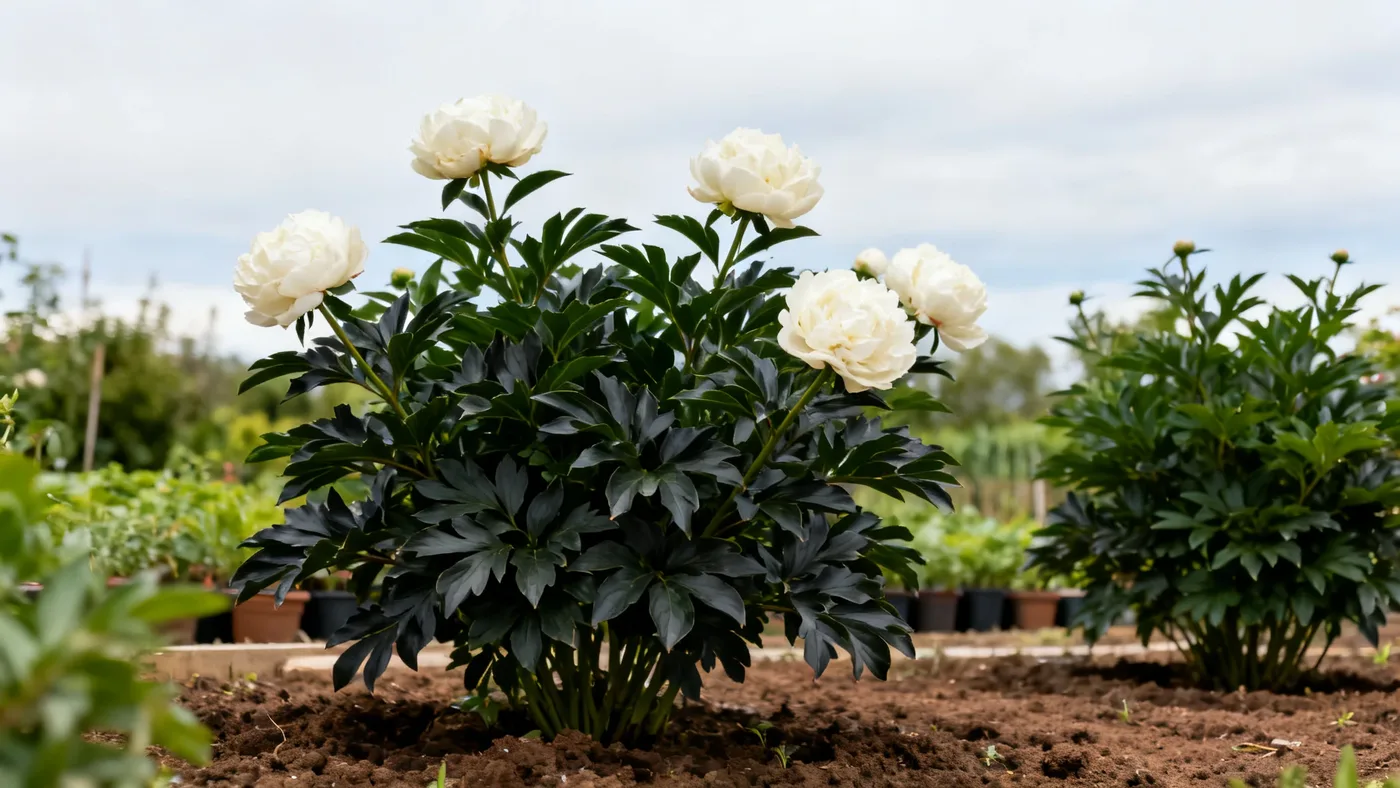
Is Duchesse de Nemours Peony Toxic to Pets and Children?
Duchesse de Nemours Peony is a classic herbaceous perennial prized for creamy white flowers and strong fragrance. If you're a gardener with dogs, cats, or young children at home, you naturally wonder whether this beloved plant poses a toxicity risk. The reassuring reality is that while Duchesse de Nemours Peony is mildly toxic to pets and humans, serious poisoning from the plant is rare and typically requires ingestion in quantity.
Dogs and Duchesse de Nemours Peony
Is Duchesse de Nemours Peony toxic to dogs?Yes, Duchesse de Nemours Peony is mildly toxic to dogs according to the ASPCA if ingested in quantity. The toxins in the plant can cause gastrointestinal upset, but serious poisoning is uncommon because most dogs eat only a small amount of plant material before moving on. If your dog has access to peonies and shows signs of illness after chewing them, contact your veterinarian.
How much peony would need to be eaten to make a dog sick?There is no exact threshold published for Duchesse de Nemours Peony specifically, but toxicity depends on the dog's size, age, and overall health. A small amount of chewed leaves or flowers is unlikely to cause severe poisoning in a large dog, while a puppy or toy breed that swallows a significant portion might experience more noticeable symptoms. When in doubt, call your vet right away rather than waiting to see if symptoms develop.
What are the signs my dog has eaten peony?Dogs that ingest peony may experience vomiting, diarrhea, drooling, or abdominal pain. In mild cases, symptoms resolve within a few hours; in severe cases, you may see lethargy or loss of appetite lasting longer. If your dog ate peony and shows any of these signs, contact your veterinarian or poison control for guidance.
Should I avoid growing Duchesse de Nemours Peony if I have a dog?No. Many gardeners with dogs grow peonies safely by taking simple precautions. Fencing off the peony bed or planting it in a raised area away from the dog's main play zone reduces the risk of accidental ingestion significantly. With thoughtful placement and supervision, Duchesse de Nemours Peony and a healthy dog can coexist without incident.
Cats and Peony Toxicity
Are peonies poisonous to cats?Yes, Duchesse de Nemours Peony is mildly toxic to cats if ingested. Cats are sometimes more cautious eaters than dogs and are less likely to chew ornamental plants, but curious kittens or indoor cats with outdoor access may nibble peony leaves or petals. Even a small amount ingested by a cat warrants a call to your veterinarian.
Why are cats at risk from peony toxicity?Cats lack certain liver enzymes that help break down plant toxins, making them more sensitive to some botanicals than dogs or humans. While Duchesse de Nemours Peony is only mildly toxic, any ingestion should be taken seriously in a cat household. If your cat has eaten peony, monitor for vomiting, diarrhea, or reduced appetite over the next 6 to 12 hours.
What parts of the peony are most dangerous to cats?All parts of Duchesse de Nemours Peony contain mildly toxic compounds, including leaves, stems, flowers, and petals. The roots are less likely to be accessed by a household cat, so they pose lower risk than aboveground foliage. Fallen leaves and spent flowers should be cleaned up promptly if you have indoor or outdoor cats.
Other Pets and Peony Safety
Is Duchesse de Nemours Peony toxic to horses?Yes, Duchesse de Nemours Peony is listed as mildly toxic to horses according to the ASPCA. Horses that graze in a pasture where peonies are present or have access to clippings may experience gastrointestinal upset. If you keep horses on your property, keep peony plants well away from grazing areas and compost piles.
Is peony toxic to rabbits and small rodents?Rabbits, guinea pigs, hamsters, and other small pets should not be given access to Duchesse de Nemours Peony. While data on small rodents is limited, the plant's mildly toxic nature suggests avoiding any intentional feeding, and outdoor hutches should be positioned away from peony beds. Their small body size means even a modest amount of plant material could cause disproportionate effects.
What about birds? Are peonies safe for outdoor aviaries?Most ornamental birds kept in aviaries are unlikely to peck at peony leaves or flowers, as they prefer seeds and insects. However, to be safe, position aviaries away from peony plantings and avoid placing fresh peony clippings near bird areas. If you have an outdoor aviary, consult your avian veterinarian about which garden plants are completely safe.
Children and Peony Safety
Is Duchesse de Nemours Peony toxic to children?Duchesse de Nemours Peony is not typically considered toxic to humans in normal contact, according to available horticultural references. However, raw plant parts including leaves, stems, petals, or seed pods can cause mild gastrointestinal upset if eaten by a child. Ingestion of a single flower or a few leaves is unlikely to cause harm, but larger quantities or repeated eating should prompt a call to poison control.
What should I do if my child eats peony leaves or flowers?If your child eats a small amount of peony, wash their mouth and encourage them to drink water. Monitor them for nausea, vomiting, or stomach pain over the next 2 to 4 hours. If symptoms develop or if your child ate a large quantity, contact Poison Control (1-800-222-1222 in the US) or your pediatrician immediately.
At what age should I teach my child about plant safety?Toddlers aged 2 to 3 can begin learning "no touch" rules for garden plants, though close supervision is essential since curiosity about colorful flowers is normal at this age. By age 4 to 5, children can understand simple plant-safety lessons such as "some plants make tummies hurt" and "always ask before touching flowers." As children grow older, more detailed explanations about toxicity and safe outdoor play help reinforce safe habits.
Is it safe to have peonies in a child's bedroom or play area?Bringing cut Duchesse de Nemours Peony stems into a child's bedroom is safe as long as the flowers are placed in a secure vase on a high shelf or table where the child cannot access them. Young children should not have direct access to whole plants with leaves in their play spaces, as they may pick and taste parts without asking permission. A potted peony in a locked garden or patio away from play areas eliminates the risk entirely.
Understanding Peony Toxicity
Why is Duchesse de Nemours Peony mildly toxic?Peonies contain compounds in their leaves, stems, and roots that have mild laxative and gastrointestinal irritant properties. These are natural defense mechanisms that evolved to discourage browsing animals and insects in the plant's native habitat in central and eastern Asia. The toxins are present in low concentrations, which is why peony toxicity is typically mild rather than severe.
How does peony toxicity compare to other common garden plants?Duchesse de Nemours Peony is significantly less toxic than plants like foxglove, oleander, or yew, which can cause serious poisoning or death with small amounts ingested. It is roughly comparable in toxicity to plants like tulips, daffodils, and hyacinths, which are also mildly toxic if eaten in quantity. Most common ornamental garden plants pose similar or greater risks, so peonies are a reasonable choice for pet and child-filled households when proper precautions are taken.
What happens if someone or a pet ingests peony flowers versus leaves?The flowers and petals of Duchesse de Nemours Peony contain the same mildly toxic compounds as the leaves and stems. However, flowers are less likely to be eaten in large quantities since they are less accessible and typically less appealing to browse than foliage. Ingestion of a single flower or a few petals poses minimal risk; the concern rises only if large quantities are consumed.
Can peony toxicity affect the skin or eyes?Handling Duchesse de Nemours Peony plants is safe for most people and pets. The toxins are not absorbed through the skin by simple contact. However, some individuals may have a sensitivity to the plant's sap or pollen, causing mild skin irritation or allergic reactions. Wear gloves when pruning if you have sensitive skin, and wash your hands after handling the plant.
Prevention and Safe Growing Practices
How can I grow Duchesse de Nemours Peony safely with pets?The key to safe coexistence is strategic placement and supervision. Plant your Duchesse de Nemours Peony in a raised bed, fenced garden area, or spot that your pet rarely visits, and ensure the plant reaches full maturity (26 to 36 inches tall and 24 to 36 inches wide) so it is less tempting to mouth or nibble. For details on establishing and maintaining your peony, see our care guide with growing tips that work. Supervise young pets or children in the garden, and clean up any fallen leaves, flowers, or prunings promptly.
Are there fencing or barriers that can protect my peony from pets?Yes. A simple wire or plastic border fence 18 to 24 inches high is often enough to keep dogs from accessing a peony bed during their daily play. For small dogs or determined diggers, a raised bed or container with secure edges provides better protection. These barriers also give the peony plant space to grow undisturbed as it develops from a young plant to full maturity.
What should I do with peony clippings to keep them safe from pets?Dispose of peony clippings in a sealed bin or compost area that pets and children cannot access, rather than leaving them on the ground or in an open pile. If you compost peony material, use a secure bin with a locking lid to prevent curious pets from rummaging through fresh clippings. Never leave pruned stems or flowers lying around in the lawn or garden paths.
Is deadheading or pruning dangerous if I have curious pets?Deadheading (removing spent flowers) during the growing season is a routine task and poses no special danger to nearby pets or children, provided you dispose of the clippings properly. Pruning the foliage back to the ground in late fall after frost has killed it back is also safe, but remove and secure all cut material immediately afterward. Wear gloves while handling the plant if you have sensitive skin.
Can I grow Duchesse de Nemours in a container to keep it away from pets?Yes, Duchesse de Nemours Peony can be grown in large containers with a minimum diameter of 18 to 24 inches, though the plant performs better and overwinters more reliably in the ground. A large potted peony on a patio or elevated surface is an excellent option if ground space is limited or if you want to minimize pet access. For best results with containerized peonies, review our complete watering guide. Ensure the container is stable and secure so it cannot tip over if a pet brushes against it.
Quick Reference: Toxicity and Safety at a Glance
| Aspect | Details |
|---|---|
| Toxicity Level | Mildly toxic to dogs, cats, and horses if ingested in quantity (per ASPCA) |
| Parts at Risk | All aboveground parts (leaves, stems, flowers, petals) contain mild toxins |
| Dogs: Typical Symptoms | Vomiting, diarrhea, drooling, abdominal pain |
| Cats: Typical Symptoms | Vomiting, diarrhea, reduced appetite, lethargy |
| Children: Typical Symptoms | Mild GI upset (nausea, stomach pain) if large quantities eaten |
| Ingestion Threshold | Serious poisoning rare; occurs when large amounts are consumed |
| Safe Handling | Gloves recommended for sensitive skin; wash hands after contact |
| Safe Proximity | Fenced beds, raised planters, or separate areas away from play zones |
| Container Growing | Possible in 18–24 inch diameter containers; safer for pet-heavy households |
| Mature Size | 26–36 inches tall and 24–36 inches wide (reaches full maturity in 3–4 years) |
| Cleanup Protocol | Seal and secure all clippings; never leave on ground or in open compost |
| Monitoring Period | Watch pets or children for 2–12 hours after ingestion for symptoms |
| Emergency Contact | Poison Control: 1-800-222-1222 (US); veterinary emergency clinic for pets |